
Uncategorized
blackjack online nz 2026 — blackjack online casino nz
blackjack online nz in 2026: the essentials
blackjack online nz is defined by its rules, but it is the executing that keeps it engaging. As casino floors evolve, blackjack online nz 2024 becomes a handy lens through which to compare fresh regulation variations and their impact on the player’s expected return.
See also:
- A Quick Introduction to blackjack online nz free
- What to Expect from blackjack online nz free in Modern Casinos
- Top Blackjack Bonus Offers and Terms
- blackjack online nz free Explained: Tips and Tricks
- RTP Comparison of Popular Blackjack Variants
- Visual Guide to Online Blackjack Gameplay
- Is blackjack online casino nz Worth Trying?
- Blackjack and Gambling Harm: How to Stay in Control
A Quick Introduction to blackjack online nz free
blackjack online nz remains a staple of casino floors and online tables alike, drafting players with its merge of acquirement and chance. In 2026, the title continues to evolve, with face bets and rule variations like ‘Early Surrender’ gaining traction among enthusiasts. Understanding the nuances of blackjack online nz free is crucial for refining your strategy and maximising your border against the house. For instance, the ‘Early Surrender’ option allows players to forfeit half their gamble before the dealer checks for blackjack, reducing the house edge by about 0.39% when used correctly. Another popular variance is ‘Double Down Rescue,’ which lets players deliver after doubling down, salvaging half their bet even on a losing hand. Side bets like ‘Perfect Pairs’ and ’21+3′ have also surged, offering payouts for specific card combinations but carrying higher house edges. On the strategy front, mastering basic strategy charts remains fundamental, but advanced players now employ card counting systems tailored to specific find sets. The ascending of live dealer dealer online tables has further blurred the line between virtual and physical play, with real-time streaming and interactive features. In land-based casinos, automated shuffling machines have reduced the effectualness of traditional counting, prompting a displacement toward shuffle tracking and ace sequencing. The psychological aspect also plays a role; managing money and knowing when to walk outside are as vital as any mathematical tactic. Tournaments have become more structured, with multi-table events offering substantial award pools. In the meantime, regulatory changes in jurisdictions like the UK and Australia have tightened rules around side bets and maximum payouts, influencing game design. Players now make access to detailed analytics tools that track every decision, revealing leaks in their play. The social component endures, with camaraderie at felt tables and chat features online, but the emphasis on data-driven play grows. Ultimately, blackjack online nz in 2026 demands a blend of discipline, adaptability, and continuous learning. Whether you’re a novice or a veteran, the product rewards those who work its evolving landscape, from new side bets to subtle rule shifts. The key is to continue informed and practice relentlessly, using simulators and strategy trainers to sharpen your skills. Remember, the domiciliate always has an edge, but with the right approach shot, you can minimise it and sample the game for its rational and recreational value. As the industry moves forward, expect further innovations, such as side bets based on community cards or progressive jackpots tied to rarefied hands. The nucleus remains unchanged: a combat of wits with a deck of cards, where every decision matters. Embrace the challenge, and net ball the cards fall where they may.
deposit casino book of dead — 2026 review | deposit casino book of dead
new online casinos 2023 2026 — 2023 new casinos
What to Expect from blackjack online nz free in Modern Casinos
Understanding the Core Rules of Blackjack
At its heart, blackjack is a deceivingly simple title where players compete against the dealer rather than other players. The nonsubjective is to achieve a hand value as close to 21 as possible without exceeding it, while also whipping the dealer’s hand. Figure cards (2-10) are worth their face value, face cards (Jack, Queen, King) are worth 10, and an Ace can be counted as either 1 or 11, whichever benefits the hand most. Each player is dealt two cards, and the dealer receives one card face up and single face down (the hole card). Players then feature the option to ‘hit’ (take another card) or ‘stand’ (keep their electric current hand). Additional actions the like ‘image down’ (doubling the initial bet in exchange for ace additional card) or ‘split’ (separating two cards of the same value into two separate hands) can also be taken under specific rules. For instance, splitting allows players to play two independent hands, each with a bet equal to the pilot, but only ace additional card is dealt per split mitt in most casinos. The dealer must hit until their hand totals 17 or more, with rules varying on whether a soft 17 (Ace and 6) requires a strike or stand; in many standard games, the dealer stands on soft 17, which somewhat benefits the player. Apprehension these foundational rules is essential before exploring more advanced strategies and variations, as even modest rule differences can affect the house edge by several tenths of a percent.
poker casino 2026 — poker casino live
poker face — key facts 2026 | poker face
Mastering Basic Strategy for Optimal Play
Basic strategy is a mathematically derived localise of decisions that tells players the optimal move for every possible hand combination against the dealer’s upcard. It reduces the house border to as reduced as 0.5% in standard blackjack games. The strategy is based on the player’s total and the dealer’s visible card, dictating whether to impinge on, stand, double down, split, or surrender. For example, when the dealer shows a 5 or 6 (a weak upcard), players should stand on any hand of 12 or higher, as the dealer is likely to bust due to having to hit on 16 or less. Conversely, when the dealer shows a 7 or higher, players should hit until they reach leastways 17, because the dealer has a strong chance of making a tap hand. Doubling down is recommended on 11 against any dealer upcard except an Ace, and on 10 against a dealer’s 9 or lour, as these situations give the gambler a high probability of drawing a 10-value card. Splitting Aces and 8s is always advised, because Aces give a chance at 21 with a 10-value card, and 8s steer clear of a hard 16, which is a weak hand. Never split 10s, as 20 is a strong hand, and never split 5s, as 10 is better doubled. Surrender, where available, is advised on hard 16 against a dealer 9, 10, or Super, and on hard 15 against a dealer 10. Using a basic strategy chart can drastically improve a player’s chances and is the foundation for any serious blackjack player. Many online casinos present free play modes to practise introductory strategy without risking real money, allowing players to internalize the rectify decisions through repetition.
Exploring Popular Blackjack Variants and Their RTP
Beyond the classic product, numerous blackjack variants give unique twists and different return-to-player (RTP) percentages. ‘European Blackjack’ is a common version where the dealer receives only one card initially, with the second card dealt after players have completed their hands. This variant often has a slightly higher house border due to the absence of hole card checking, which means players cannot surrender if the dealer has blackjack. ‘Pontoon’ is a British variant where both dealer cards are face down, and players must reach a ‘pontoon’ (a deal of 21) for the highest payout, typically 2:1, while a five-card trick (quintet cards without busting) also pays advantageously. Another popular variant is ‘Blackjack Switch’, where players are dealt two hands and can swap the second card between them, adding strategic depth but also a higher domiciliate border of around 0.5% to 1% depending on rules. ‘Spanish 21’ removes all 10s from the dump, increasing the house edge, but offers generous bonus payouts for certain hands like 6-7-8 or 7-7-7, and allows late surrender and stunt man down after stock split. The RTP of these variants can range from around 99.3% for stock blackjack with favourable rules (e.g., 3:2 blackjack, dealer stands on soft 17, look-alike on any two cards, and late surrender) to 98% or lower for more exotic versions with worse rules. Players should always check the specific rules of a variant before playing, as even small changes the like the number of decks (single deck has lower domiciliate edge than six decks) can significantly impact the house advantage.
Live Blackjack and Online Gameplay Considerations
Live dealer blackjack has revolutionised online casino play, bringing the authentic casino experience to players’ homes via high-definition video streaming. In live blackjack, a real dealer manages the game from a studio or land-based casino, using physical cards and a shoe.
New players should start with blackjack online nz to learn the basics.
Top Blackjack Bonus Offers and Terms
- 150% + 100 free spins
- 200% first deposit bonus
- 100% lucifer bonus
- 50x turnover
- 30x wagering at slots
blackjack online nz free Explained: Tips and Tricks
Understanding the Core Rules of Blackjack is one of the most popular card games in UK casinos, both online and land-based. The fundamental objective is simple: beat the dealer’s hand without exceeding 21. Each card has a point value—numbered cards are worth their face value, face cards (King, Queen, Jack) are worth 10, and Aces can count as either 1 or 11, whichever benefits the hand. Players start with two cards, as does the dealer, who typically shows one card face up. You then have several options: ‘hit’ to take another card, ‘stand’ to keep your current hand, ‘double down’ to double your initial bet and receive exactly one more card, ‘split’ if you have two cards of the same value (creating two separate hands), or ‘surrender’ in some variants to forfeit half your bet. The dealer must hit until they reach 17 or higher, with rules varying on whether a ‘soft 17’ (an Ace counted as 11) forces a hit. A ‘blackjack’—an Ace and a 10-value card on the first two cards—pays 3:2 in most traditional games, though some variants offer 6:5, which significantly increases the house edge. Understanding these basics is essential before exploring strategy or side bets. For example, if you hold a hand of 12 and the dealer shows a 2, basic strategy recommends hitting due to the high probability of the dealer busting with a low upcard. Conversely, with a hand of 16 against a dealer’s 10, hitting is also advised to improve your chances. The rules around splitting also vary; in some games, you can split up to three times, creating multiple hands, but this is not universal. Knowing these nuances helps you adapt to different game conditions and avoid costly mistakes.
Key Blackjack Variants and Their House Edges
UK players encounter several blackjack variants, each with subtle regulation differences that affect the house sharpness and RTP. Classic Blackjack, often found in UKGC-licensed casinos, typically offers a house edge around 0.5% when using basic strategy, with an RTP of 99.5% or higher. European Blackjack differs by using only two decks and dealing the dealer’s endorse card after players concluded their hands, which somewhat increases the domiciliate edge. Atlantic City Blackjack is popular online, featuring eight decks and the option to give up, with a house edge near 0.35% under optimal play. Blackjack Switch allows players to swap cards between two hands, which can diminish the domiciliate edge but requires a larger money. For those seeking variety, side bets ilk ‘Perfect Pairs’ or ’21+3′ offer higher payouts but come with a much higher house edge, often exceeding 5%. Real-time dealer blackjack, streamed in real time, mirrors land-based rules and typically has a similar RTP to standard online versions, though the gait is slower and minimum bets may be higher. When choosing a variant, be after those that pay 3:2 on blackjack, allow doubling after splitting, and let late surrender, as these rules favour the player. For instance, a game that allows doubling on any two cards and resplitting Aces can reduce the house edge by up to 0.2%. Conversely, variants that restrict doubling to 10 or 11 only increase the house edge. Understanding these differences allows you to select the most favourable title and maximise your potential returns.
Mastering Basic Strategy for Better Odds
Staple strategy is a mathematically proven set of decisions that minimises the house border in blackjack. It tells you exactly when to hit, stand, double down, or split based on your hand total and the dealer’s upcard. For example, you should always stand on a severe 17 or higher, while a hand of 12 to 16 requires careful consideration—standstill if the dealer shows 2-6 (a ‘bust card’), hit if they show 7 or higher. Doubling down is most advantageous when you have a sum up of 10 or 11 and the dealer has a low card, as it maximises your potential win. Splitting is e’er right for Aces and 8s, but never split 10s, 5s, or 4s (except in some variants). One common mistake is deviating from basic strategy based on suspicion or streaks—sting to the chart to maintain the lowest house edge. Many UK online casinos allow you to play free demo versions to practise basic strategy without risking real cash. While card counting is theoretically possible, it is extremely difficult in online games due to robotic shuffling and continuous shuffle machines. However, basic strategy remains your most powerful tool, reducing the house inch to around 0.5% or less, depending on the specific rules of the game. For instance, if you have a soft 18 (Ace-7) and the dealer shows a 9, canonical strategy advises hitting, as the soft 18 is weak against a excellent dealer upcard. Similarly, with a pair of 9s against a dealer’s 6, splitting is recommended because the dealer is likely to tear. Mastering these decisions through apply can significantly improve your long-term results.
Playing Blackjack Online and Live in the UK
Online blackjack has become a staple of UK casino gaming, offering convenience and a wide range of variants.
no deposit kings nz — what to know 2026 | no deposit kings nz
Our guide to blackjack online nz covers game selection and cashout fastness.
RTP Comparison of Popular Blackjack Variants
| Name | Biggest win | RTP | Year | Provider |
|---|---|---|---|---|
| Mystic Fortune | 127,500 $ | 150% | 2020 | Play’n GO |
| Space Odyssey | 42,800 | 300 | 2020 | Provider F |
| Sweet Bonanza | 27,500 $ | 300% | 2020 | Provider I |
| Fruit Fiesta | 56,300 | 75 | 2024 | Provider G |
| Money Train 2 | 215,000 | 96.8% | 2021 | Playtech |
| Magic Forest | 27,500 | 75 | 2023 | Pragmatic Play |
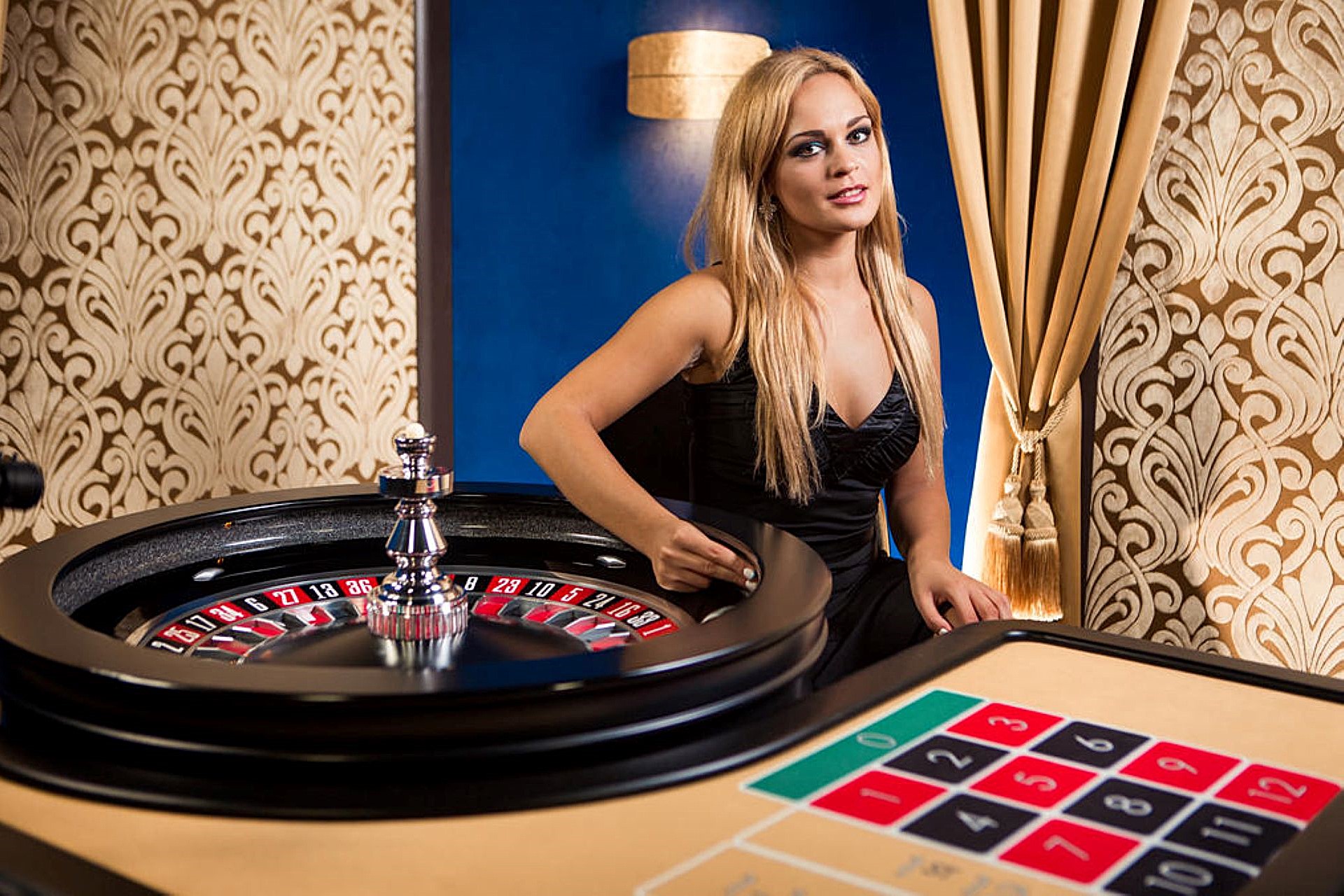
Visual Guide to Online Blackjack Gameplay
Is blackjack online casino nz Worth Trying?
What is the house edge in blackjack and how does it vary by rules?
The put up edge in blackjack typically ranges from 0.5% to 2%, depending on the specific rules of the game. For example, a game with 6 decks, dealer stands on soft 17, and doubling allowed after splitting offers a bring down house edge than one with 8 decks and dealer hits on flaccid 17.
How does basic strategy strike the RTP in blackjack?
Using basic strategy can decrease the put up edge to as small as 0.5%, yielding an RTP (getting even to player) of around 99.5%. Without basic strategy, the RTP can set down significantly, often below 98%.
What are the most unwashed blackjack variants and how do they differ?
Common variants include Classic Blackjack, European Blackjack (which uses only two dealer cards), and Pontoon (where the dealer’s cards are both face down). To each one variant has unique rules, such as whether the dealer hits or stands on soft 17, affecting the house edge.
What is the difference between live blackjack and online blackjack?
Live blackjack is streamed from a real casino studio with a human dealer, offering a more immersive experience, while online blackjack uses a random keep down generator (RNG) for faster gameplay. Both can have similar rules and RTP, but live blackjack often includes position bets.
How do side bets move the overall RTP in blackjack?
Side bets generally have a often higher house edge than the main game, often surpassing 10%. While they can add fervor, they significantly reduce the overall RTP, so they are not recommended for players focused on maximising returns.
Blackjack and Gambling Harm: How to Stay in Control
Gambling is strictly for adults aged 18 and over. All UK casinos featured on this situation are licensed by the Gambling Commission (UKGC), ensuring fair play and gambler protection. If you finger your gambling is becoming a problem, you can self-exclude via GAMSTOP, the national online self-exclusion scheme. For immediate help, contact GamCare or BeGambleAware on the National Gambling Helpline at 0808 8020 133. E’er set deposit and time limits before you play, and remember: gambling should be entertainment, not a way to make money or tail losses. Play responsibly and only what you can afford to lose.
